
ASCO 2026: Lung Cancer Research Highlights
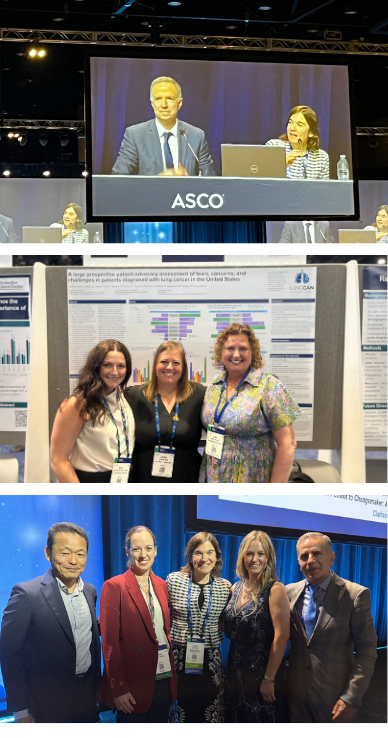
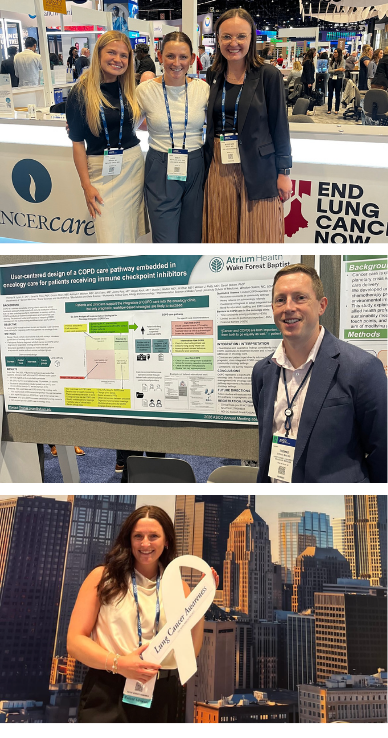
Insights from Laura Alder, MD, Medical Oncologist, Duke Cancer Center
Every year, the American Society of Clinical Oncology (ASCO) annual meeting brings together the world’s top cancer researchers to share new findings. This year delivered several exciting moments for lung cancer. Here are three highlights I found most compelling.
A Targeted Pill That Helps Prevent Lung Cancer From Coming Back
A small percentage of lung cancers, about 1–2%, are driven by a specific genetic change called a RET fusion. For these patients, even after successful surgery or radiation, the cancer too often returns. A major clinical trial called LIBRETTO-432 tested whether taking a targeted pill called selpercatinib afterward could help prevent that.
The results were striking: 92% of patients who took selpercatinib remained cancer-free at two years, compared to 61% of those who received a placebo. That’s an 83% reduction in the risk of the cancer returning.
This is a powerful reminder of why genetic testing of every lung cancer tumor matters. Knowing the specific mutation driving your cancer can unlock treatments that dramatically improve outcomes.
Seven Years of Data: Lorlatinib Is Redefining What’s Possible in ALK-Positive Lung Cancer
About 5% of lung cancers are driven by a change in a gene called ALK. For these patients, a drug called lorlatinib has been a game-changer. Updated results from the CROWN trial, now with seven years of follow-up, show just how durable its benefits are.
After seven years, more than half of patients on lorlatinib still had not seen their cancer worsen. Even more remarkable, no new spread to the brain was seen after the first two and a half years on the drug. The brain has historically been one of the most worrisome places for lung cancer to spread, so this is especially encouraging.
The takeaway: for many people with ALK-positive lung cancer, this is increasingly becoming a long-term, manageable condition.
Tarlatamab Shows Meaningful Benefit in Small Cell Lung Cancer — Including in the Brain
Small cell lung cancer (SCLC) is one of the most aggressive forms of lung cancer, and options after initial treatment stops working have been limited. A newer immunotherapy called tarlatamab has already been shown to help patients live longer than standard chemotherapy. New data from the DeLLphi-304 trial now show it also works against cancer that has spread to the brain.
Patients with brain involvement lived roughly twice as long on tarlatamab compared to chemotherapy, and the drug reduced the risk of cancer growing in the brain by 60%. It also caused fewer serious side effects than chemotherapy.
For patients with small cell lung cancer, including those with brain metastases, tarlatamab represents a meaningful step forward.
What These Findings Mean for Our Patients
These findings reflect a broader trend: lung cancer treatment is becoming more targeted, longer-lasting, and more personalized. Genetic testing at diagnosis is essential: it can reveal treatment options that make a real difference.
If you have questions about how these advances may apply to your care or a loved one’s, please talk with your oncology team.